


 Garry Smith
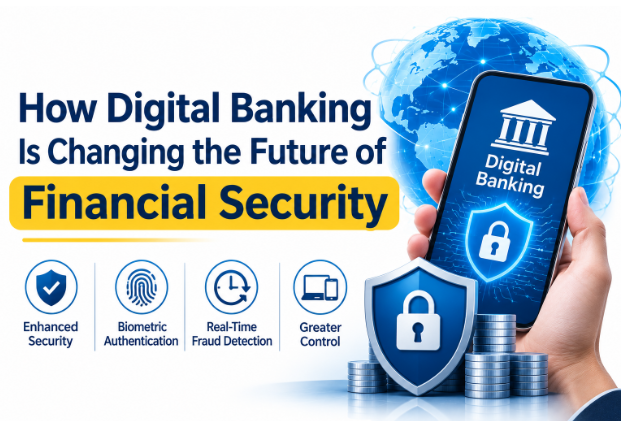
Digital banking has transformed how individuals and businesses manage their finances. From mobile banking applications to online payment platforms, customers can now access financial services without visiting physical branches. While these innovations offer convenience and faster transactions, they also introduce new security challenges, including identity theft, financial fraud, and money laundering.
As financial services become increasingly digital, protecting customer information and preventing financial crimes have become essential priorities. Banks must adopt advanced technologies, strengthen verification procedures, and improve their risk management strategies to maintain customer trust. This is where modern financial security practices and effective anti-money laundering measures play an important role.
The Growing Importance of Security in Digital Banking
Digital banking platforms process millions of transactions, making them attractive targets for cybercriminals and financial fraudsters. Criminals may use stolen identities, manipulated documents, or unauthorized accounts to conduct suspicious financial activities. Without appropriate security measures, these threats can damage financial institutions and their customers.
Banks must therefore focus on more than protecting passwords and transaction records. They also need to understand customer behavior, identify unusual financial patterns, and evaluate potential risks before providing access to financial services.
A strong security framework combines customer authentication, transaction verification, fraud detection, and regulatory compliance. These measures help financial institutions maintain safer digital environments while ensuring customers can access services with confidence.
How AML in Banking Supports Financial Security
The increasing use of digital financial services has made anti-money laundering measures more important than ever. AML in Banking involves identifying, preventing, and reporting activities that may involve illegally obtained funds.
Money laundering can occur through multiple channels, including digital wallets, online transfers, shell companies, and international payment networks. Criminals may attempt to hide the origin of their funds by moving money through several accounts or conducting transactions that appear legitimate.
To address these risks, financial institutions need structured procedures that help identify suspicious activities. Effective AML banking practices allow banks to assess customer risks, review transaction patterns, and investigate unusual behavior.
These efforts also support regulatory requirements and help institutions maintain transparency across their financial operations.
The Role of AML Screening in Digital Customer Verification
Customer verification is one of the most important stages of establishing a secure banking relationship. Before onboarding new customers, financial institutions need to understand who they are doing business with and whether they present potential financial crime risks.
AML screening helps banks identify individuals and entities associated with sanctions lists, politically exposed persons (PEPs), and other relevant risk indicators. This process allows compliance teams to identify potential concerns before they become serious threats.
Digital banking platforms can integrate screening procedures into their onboarding workflows. This makes verification more consistent and helps reduce delays caused by repetitive manual checks.
However, screening should not end after account approval. Customers’ risk profiles may change over time, making periodic reviews and ongoing monitoring important parts of an effective security strategy.
How AML Monitoring Helps Detect Suspicious Transactions
Traditional banking security methods often rely on manual reviews and predefined rules. Although these methods remain useful, they may struggle to identify complex financial crime patterns across large volumes of digital transactions.
Modern AML monitoring solutions help financial institutions analyze transaction activities and identify behavior that may require further investigation.
For example, repeated transfers between unrelated accounts, unusual transaction volumes, or sudden changes in customer spending patterns may indicate potential risks. Monitoring systems can generate alerts when activities match predefined risk indicators.
Compliance teams can then investigate these alerts, gather relevant information, and determine whether additional action is necessary.
Continuous monitoring also helps banks respond to emerging threats instead of relying entirely on information collected during initial customer onboarding.
The Impact of Advanced AML Systems on Banking Operations
Technology is changing how financial institutions manage security and compliance responsibilities. Modern AML systems can automate several activities, including customer screening, transaction analysis, risk assessment, and alert management.
Automation helps reduce repetitive administrative work and allows compliance professionals to focus on more complex investigations.
Some important capabilities of modern banking security solutions include:
- Automated customer verification and risk assessment.
- Real-time transaction monitoring and suspicious activity alerts.
- Sanctions and politically exposed person screening.
- Centralized compliance records and investigation management.
- Ongoing customer risk monitoring and reporting support.
These capabilities can improve operational efficiency while helping institutions maintain consistent security procedures. However, technology should complement human expertise rather than replace professional investigation and decision-making.
Strengthening AML Compliance in the Digital Banking Era
Maintaining AML compliance requires financial institutions to regularly evaluate their policies, technologies, and internal procedures. Regulatory expectations continue to evolve, particularly as digital payments and cross-border financial services expand.
Banks should establish risk-based compliance programs that reflect their customer base, geographical exposure, and transaction activities. Employee training is equally important because compliance teams must understand emerging financial crime techniques and know how to respond to suspicious activity.
Organizations should also review their monitoring processes regularly to identify gaps, improve alert accuracy, and reduce unnecessary investigations.
Solutions offered by providers such as AML Watcher can support financial institutions with screening and monitoring capabilities that contribute to stronger financial crime prevention processes.
What the Future Holds for Digital Banking Security
The future of digital banking will likely involve greater adoption of artificial intelligence, machine learning, biometric authentication, and automated risk assessment. These technologies can help financial institutions identify unusual behavior more efficiently and strengthen their ability to respond to evolving threats.
Nevertheless, advanced technology alone cannot guarantee financial security. Banks must combine technological innovation with effective governance, employee awareness, transparent procedures, and regular risk assessments.
As digital banking continues to expand, institutions that prioritize security and responsible financial practices will be better positioned to protect customers and maintain trust.
Conclusion
Digital banking is making financial services faster and more accessible, but it also requires stronger approaches to financial security. From customer verification to suspicious transaction detection, financial institutions must continuously improve their protection strategies.
Effective AML banking practices, reliable screening procedures, and advanced monitoring technologies can help reduce financial crime risks. By investing in appropriate security measures and maintaining strong AML compliance, banks can build a safer and more trustworthy digital financial ecosystem.


Comments
0 comments